
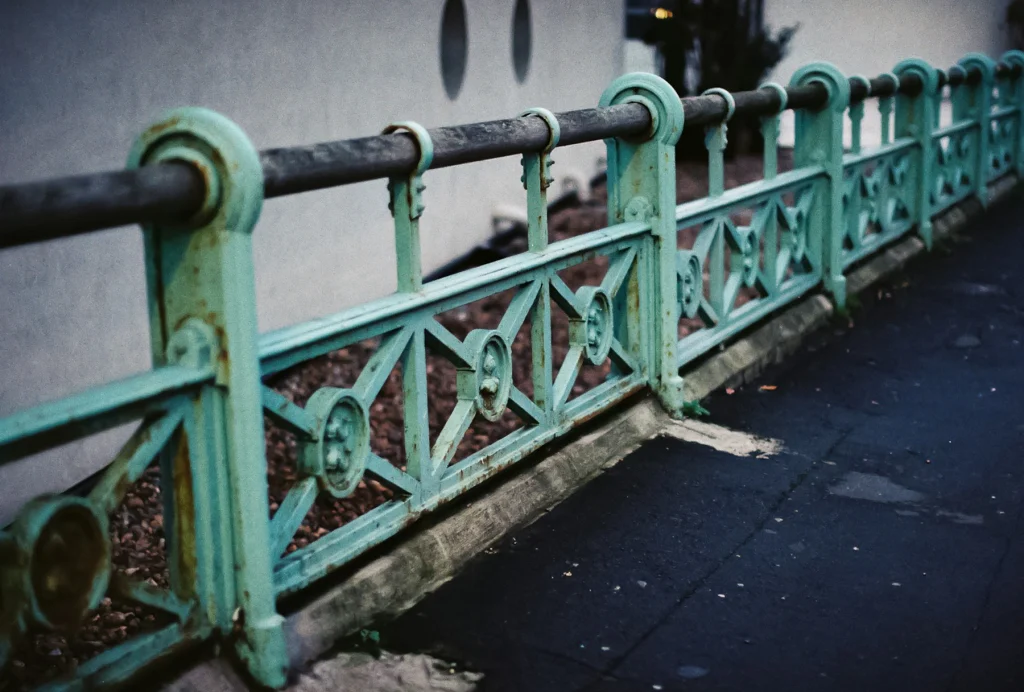
When homeowners compare wrought iron vs steel vs aluminum fences, the short version is this: true wrought iron is rare and mostly found on older homes, steel is the strongest and most repairable option for most yards, and aluminum wins on rust resistance and light weight but is softer and harder to weld. The right choice depends on what the fence has to stop, how much upkeep you want, and how you plan to repair it.
That sounds simple, but the words get mixed up constantly. A fence called “wrought iron” on a listing is usually painted steel tube. A fence called “steel” might be bare, galvanized or powder-coated, which changes how long it lasts. And aluminum fences can look nearly identical to steel from the street while behaving very differently when something hits them. This guide sorts it out from a welder’s point of view, since we are the ones who see these fences after a mower, a truck or a few Texas summers have had their way with them.
Key takeaways
- True wrought iron is a historic, hand-worked material. Most modern “wrought iron” fences are mild steel tube or solid bar.
- Steel is the strongest of the three and the easiest to repair on-site with MIG or stick welding, but it needs a good coating to resist rust.
- Aluminum does not rust, weighs much less and suits pool areas and decorative lines, but it dents more easily and needs TIG welding to repair.
- Coatings matter as much as metal. Galvanizing plus powder coat outlasts paint alone on bare steel.
- Cost is driven by linear footage, height, picket spacing, post size, gates, finish and site conditions more than by the metal name alone.
What is “wrought iron,” really?
Real wrought iron is a low-carbon iron with glassy slag fibers running through it. Blacksmiths heated and hammered it into scrolls, spears and twisted pickets, and it was widely used for fences and railings into the early twentieth century. It resists corrosion fairly well, which is why some very old fences are still standing.
Production of true wrought iron essentially stopped decades ago. Today the term is used as a style label for any dark, ornamental metal fence with pickets, finials and scrollwork. Almost all of those fences are made from mild steel, either hollow square tube or solid square bar, welded together and painted or powder-coated black.
Why does that matter? Because if you own an older home with original ironwork, repairs need a gentler hand and sometimes forge-welding or brazing skills, while a modern steel “wrought iron” fence is repaired like any other steel structure. If you are not sure which you have, a welder can usually tell by the grain at a broken end, the joinery (rivets and collars versus welds) and the weight.
Steel fences: strength and repairability
Mild steel is the workhorse of residential metal fencing. Typical ornamental sections use square tube pickets somewhere around 5/8 to 3/4 inch, rails of 1 to 1-1/2 inch tube, and posts of 2 to 3 inch square tube, with wall thickness varying from light 16 gauge on budget panels to 11 or 14 gauge on heavier builds. Ranch and pipe fences use round pipe posts and rails, often repurposed oilfield pipe, which is very strong.
Where steel shines
- Impact strength. Steel bends rather than snapping, and it takes a real hit before it fails. That makes it a sensible choice along driveways, alleys and anywhere a vehicle might clip the line.
- Security. Solid bar pickets and heavy rails are hard to cut or pry apart.
- Repairs. A bent picket can be cut out and a new one welded in. A broken rail weld can be ground and re-welded in minutes with a MIG or stick welder from a mobile rig.
- Custom work. Steel is easy to cut, bend and weld into curves, scrolls and matching gates.
Steel’s weak spot: rust
Bare steel rusts, and the places it rusts first are predictable: post bases where soil and sprinkler water sit, the bottom rail, the insides of hollow tube where water gets in through an open top or a pinhole, and every weld where the coating was thin. San Antonio is drier than the Gulf Coast, but daily irrigation, summer storms and the occasional hard freeze still give rust plenty of chances.
Coating choice is what separates a steel fence that lasts a few years from one that lasts decades. In rough order of durability:
- Paint over bare steel. Cheapest up front, needs touch-up every few years.
- Powder coat over bare steel. A tougher, more even finish, but rust can creep under it where it chips.
- Hot-dip galvanized steel. Zinc protects the steel even at small scratches. Left bare it has a dull gray look.
- Galvanized plus powder coat or paint. Often called a duplex system, and generally the longest-lived option for steel.
One note for repairs: welding through galvanizing burns off the zinc and produces fumes that a welder needs to manage. The coating is ground back before welding, and the repaired area is treated afterward with a zinc-rich primer.
Aluminum fences: light, rust-free and softer
Aluminum fencing is usually made from extruded aluminum alloy, such as 6063, then powder-coated. It forms a protective oxide layer on its own, so it does not rust the way steel does. That is a real advantage around pools, near sprinkler lines and along lot lines that get wet often.
Where aluminum shines
- No red rust. Scratches do not bleed orange streaks down the pickets.
- Light weight. Panels are easy to handle, and gates put less strain on hinges and posts.
- Clean look. Factory panels come in consistent styles with hidden fasteners.
- Pool areas. Many aluminum styles are designed to meet common pool barrier rules, though you should confirm requirements with your local building department.
Aluminum’s trade-offs
Aluminum is much softer than steel. A tree limb, a ladder or a bumper will dent or fold a picket that a steel fence would shrug off. Many aluminum panels are assembled with screws or pressed-in rails rather than welds, so damage often means replacing a section instead of fixing one picket.
When aluminum does need welding, it calls for TIG (or specialized MIG) equipment, clean metal and a careful hand. The heat of welding also softens the alloy near the weld, so a welded repair on thin-wall extrusions is usually reinforced or designed to carry less load. It is very doable, and we TIG weld aluminum regularly, but it is a different job from welding a steel fence.
Side-by-side: how the three compare
Here is a plain-language comparison across the things homeowners usually ask about.
Strength and security
Steel is strongest, especially solid bar or heavy-wall tube. Original wrought iron is tough but can be brittle at old welds and collars. Aluminum is the weakest of the three for impacts and prying.
Rust and corrosion
Aluminum does not rust. Wrought iron resists corrosion better than plain mild steel but still needs paint. Steel depends entirely on its coating, with galvanized and duplex finishes performing best.
Upkeep
Aluminum needs occasional washing and little else. Coated steel needs periodic inspection and touch-up at chips, welds and post bases. Historic wrought iron needs careful paint maintenance and gentle repairs.
Repairs
Steel is the easiest to repair on-site, piece by piece. Aluminum repairs need TIG welding or section replacement. Wrought iron repairs need someone comfortable matching old work without overheating it.
Weight and gates
Aluminum gates are light and kind to hinges. Steel gates are heavier and need proper hinges, posts and bracing, which our post on why driveway gates sag explains in detail.
How South Texas conditions change the choice
Local conditions tilt the comparison. Long stretches of summer heat bake coatings and fade darker colors, so a quality powder coat or a good exterior enamel matters more than it might elsewhere. Intense sun also heats dark steel enough to be uncomfortable to touch, which is worth remembering for pool fences and gates children use.
The clay soils found across much of Bexar County shrink and swell with drought and rain. That movement works on post footings, and a rigid welded steel fence will show it as leaning posts or cracked welds at the rails. Deeper footings help, and so does leaving room for small adjustments at gates. Aluminum panels flex a bit more, but their screwed joints can loosen under the same movement.
Hail and wind-blown limbs dent aluminum more readily than steel. And while hard freezes are not frequent, water trapped inside a hollow steel post can freeze and split the tube, one more reason caps and drain holes are worth having.
What drives the cost of a metal fence?
We do not quote numbers in a blog post because every property is different, but these are the factors that actually move the price of a new fence or a repair.
- Linear footage and height. The biggest single factor. A 6-foot fence uses more material and heavier posts than a 4-foot fence.
- Picket size and spacing. Closer spacing and heavier pickets mean more steel and more welds per foot.
- Post size and footings. Larger posts, deeper footings and rocky or caliche soil add labor.
- Gates. Each walk or drive gate adds hinges, latches, bracing and fitting time.
- Finish. Paint, powder coat, galvanizing or a combination all carry different costs.
- Ornament. Scrolls, finials, collars and curved tops add material and shop time.
- Site conditions. Slopes, tree roots, tight access and removal of an old fence all take time.
- Repair versus replace. Fixing a few damaged sections usually costs far less than a full new run, which is a good reason to repair early.
Material price alone rarely decides it. A steel fence that is easy to repair might cost less over its life than a cheaper panel system that has to be replaced section by section after every bump.
Which fence suits your property?
Think about what the fence has to do first, then pick the metal.
- Front yard and driveway: Steel, ideally galvanized and coated, for impact resistance and a solid gate.
- Pool enclosure: Aluminum for rust resistance, with self-closing, self-latching gates. Confirm the barrier rules locally.
- Historic home: Repair and preserve original ironwork where possible, and match new sections in steel with similar profiles.
- Ranch and acreage: Welded pipe fence for strength and long life with livestock. See our ranch and equipment welding page.
- Side yards and dog runs: Steel or aluminum both work. Aluminum if sprinklers hit the line daily, steel if big dogs lean on it.
Fence material checklist
- Decide the fence’s main job: security, safety, privacy, livestock or looks.
- Measure the total run and note every gate opening and its width.
- Check HOA rules on height, color and style before choosing.
- Note sprinkler lines, pool areas and low spots where water collects.
- Ask whether posts will be set in concrete and how deep.
- Ask what coating is included and how scratches are touched up.
- For existing fences, photograph damaged sections, post bases and any rust bleeding from welds.
- Ask how a future repair would be handled for the material you choose.
Frequently asked questions
Is my “wrought iron” fence actually wrought iron?
Probably not, unless it is original to an older home. Most fences sold as wrought iron are mild steel tube or bar, welded and painted black. Real wrought iron tends to show fibrous grain at broken ends and is often joined with rivets and collars. A welder can usually identify it on sight, which matters because the repair approach differs.
Can you weld an aluminum fence back together?
Yes, with TIG welding and clean, prepared metal. Aluminum repairs take more care than steel because the metal conducts heat quickly and softens near the weld. Many aluminum panels are screwed together, so a damaged picket or rail may be replaced rather than welded. We look at the panel design before recommending which approach will last.
How do I stop my steel fence from rusting at the bottom?
Keep sprinklers aimed away from posts and the bottom rail, clear soil and mulch away from the metal, and touch up chips as soon as you see them. Rust at post bases often means water is getting inside hollow tube, so caps and drain holes help. Badly rusted bases can be cut out and plated or replaced by a welder.
Is aluminum or steel better for a fence with a big gate?
Steel is usually better for wide or heavy-use driveway gates because it resists bending and holds welds for hinges and openers well. Aluminum gates are lighter and kinder to hinges, which suits walk gates and moderate drive gates. Either way, posts, hinges and bracing need to be sized for the gate’s length.
Does a mobile welder repair fences on-site?
Yes. Most fence repairs, from straightening and replacing pickets to welding broken rails and plating rusted posts, are done right at the fence line. A self-powered welding truck means no extension cords to your house. Larger new runs may involve some prefabrication before final installation.
Talk through your fence options
Whether you are repairing a run of steel pickets, matching a section of old ironwork or deciding between aluminum and steel for a new line, the right answer depends on your yard and how you use it. San Antonio Mobile Welder handles fence welding and repairs on-site, along with gates built to match. Send us photos and measurements through the Get a Quote form, tell us what you want the fence to do, and we will reply with honest options and a free written quote.